
Smart Handhelds:
Android PDA
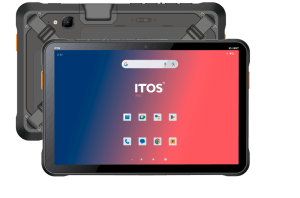
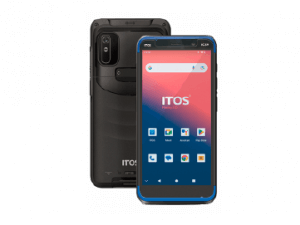
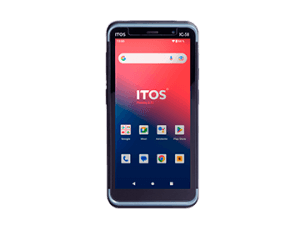
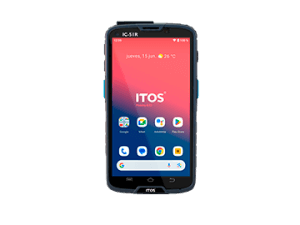
An Android handheld is a compact mobile device commonly referred to as a PDA that uses the Android operating system. It is designed for data capture, management, and processing in various environments, facilitating tasks such as barcode scanning and signature capture.
Frequently asked questions - Android handhelds
What types of data can Android handhelds capture?
Handheld devices can capture data using RFID technology and 1D and 2D barcode readers. This allows multiple RFID tags to be read simultaneously and a wide variety of barcodes to be scanned, including QR codes. They can also include body and object temperature sensors.
What functions can a PDA perform?
1. Data Capture
1D and 2D barcode scanning: Uses integrated readers to scan linear barcodes and QR codes.
RFID tag reading: Captures data from multiple RFID tags simultaneously, without the need for direct line of sight.
Photo capture: Visually document products, shipments, and any incidents.
2. Inventory Management
Real-time updating: Automatically keeps inventory records up to date.
Asset tracking: Monitors the location and status of assets in real time.
Stock control: Facilitates efficient stock counting and replenishment.
3. Communication and Connectivity
Wi-Fi and Bluetooth: Wireless connection for data synchronisation and communication with other devices.
Mobile connectivity: Access to mobile networks to transmit data in real time from any location.
NFC: Short-range data exchange, ideal for payments and access.
4. Transaction Processing
Process mobile payments: Accept payments via mobile payment apps and card terminals.
Generate and send invoices: Create and send electronic invoices directly from the device.
Record sales: Maintain an up-to-date and detailed sales record.
5. Signature Capture and Document Management
Electronic signature capture: Collect digital signatures to validate transactions and deliveries.
6. Navigation and Geolocation
GPS navigation: Provides optimised directions and routes for deliveries and travel.
Real-time tracking: Monitors the location of devices and assets in real time.
7. Connectivity with MDM (Mobile Device Management)
Remote device management: Enables centralised administration and configuration of PDAs.
Enhanced security: Implements security policies and performs software updates remotely.
Monitoring and support: Facilitates performance monitoring and provides remote technical support.
What are the advantages of using handhelds in mobile and harsh environments?
The handhelds are designed to be dustproof, waterproof and drop-resistant, making them ideal for demanding environments. They also offer Wi-Fi, 4G and Bluetooth connectivity and a long battery life, ensuring they are always ready for use.
How can Android handhelds improve my business productivity?
Android handhelds simplify operations by enabling data to be read and managed on a single device. This reduces the need for multiple pieces of equipment, streamlines processes and improves overall efficiency, which in turn increases business productivity.